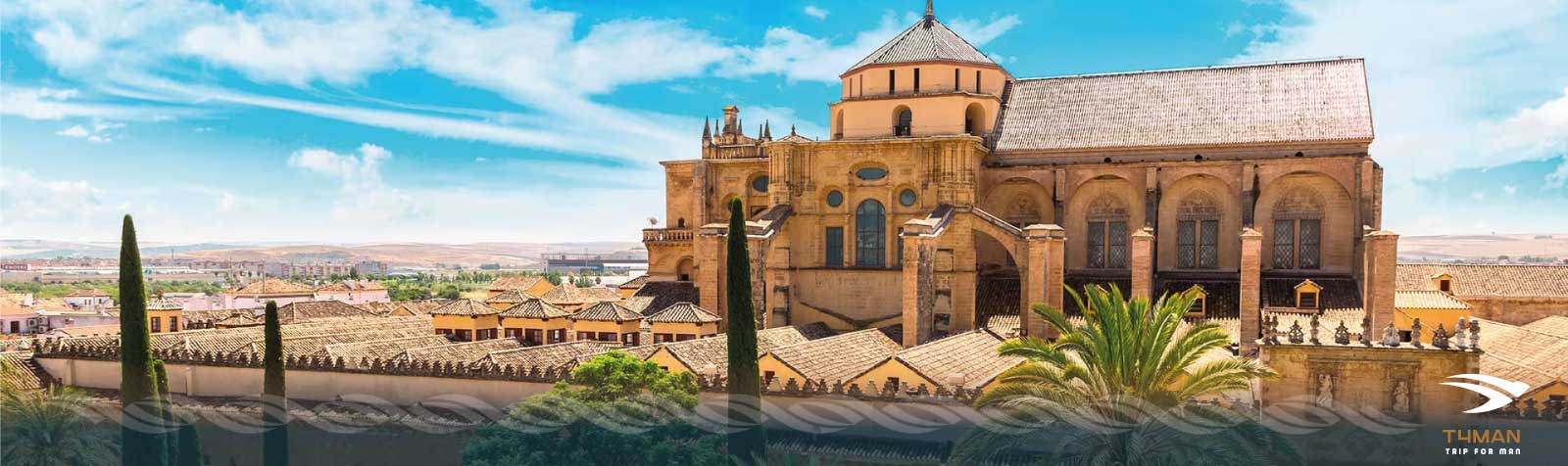
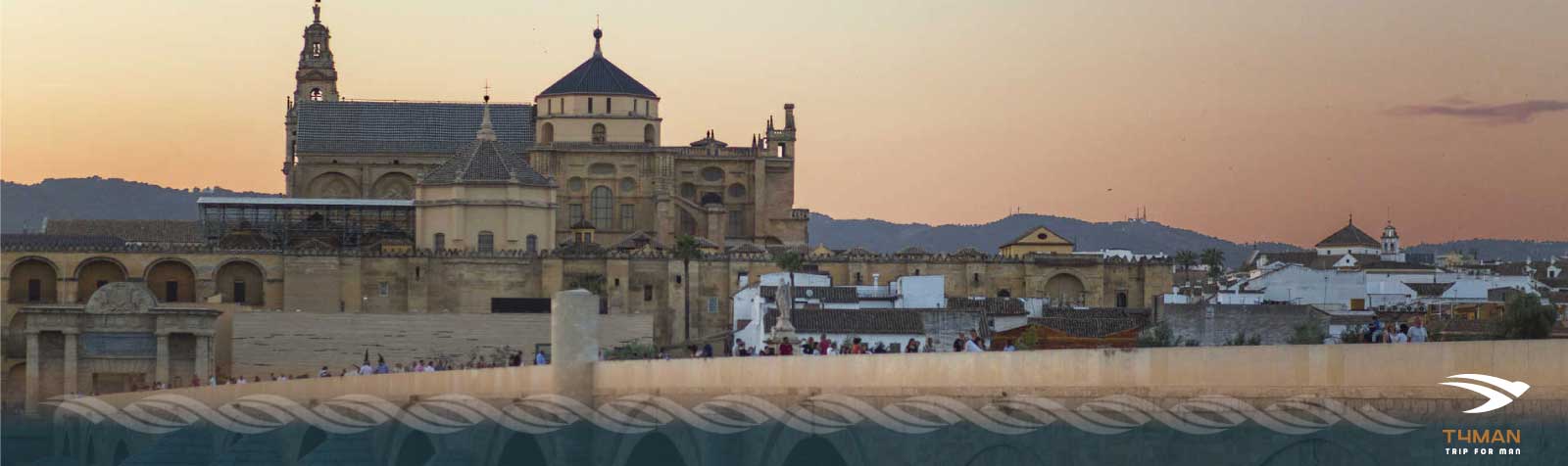
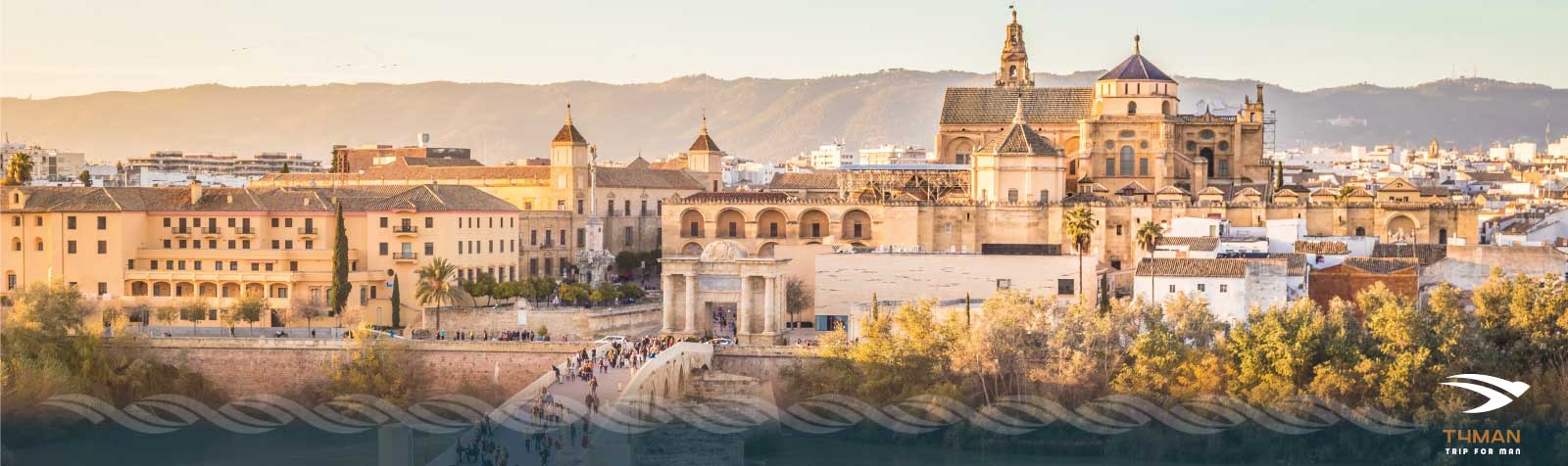
The Mosque-Cathedral of Córdoba, officially known as the Cathedral of Our Lady of the Assumption, is the cathedral of the Diocese of Córdoba, dedicated to the Assumption of Mary, and located in the Andalusian region of Spain.
The Mosque-Cathedral of Córdoba is one of the most remarkable and historic buildings in Spain and the world. Located in the city of Córdoba, it is a unique blend of Islamic and Christian architecture, reflecting a rich and complex history. Originally built as a grand Islamic mosque, it was later converted into a Catholic cathedral in 1236 after the Christian conquest of Córdoba.
This stunning monument offers visitors the opportunity to experience the artistic and architectural heritage of two great cultures simultaneously, making it an exceptional place to explore.
The construction of the original mosque began in 784 AD under Abd al-Rahman I of the Umayyad dynasty. Over the centuries, the mosque expanded and became one of the largest in the world at the time. After the Christian reconquest, it was transformed into a church, yet many Islamic architectural elements were preserved.
One of the most striking features of this building is its double-arched columns made of marble, connected by red and white striped horseshoe arches. These arches and columns create a breathtaking interior, giving the space a unique and majestic appearance.
The Mosque-Cathedral is usually open from morning until evening, but visiting hours may vary depending on the season. For accurate and updated information, it is recommended to check the official website or contact Córdoba’s tourist information office before visiting.
The Mosque-Cathedral of Córdoba is recognized as a symbol of coexistence between two great cultures—Islamic and Christian. It is one of Spain ’s most significant tourist attractions and was declared a UNESCO World Heritage Site in 1984.
Visitors can admire an extraordinary fusion of Islamic and Christian architectural styles. Highlights include the intricately decorated mihrab with beautiful Islamic mosaics and calligraphy, as well as Gothic, Renaissance, and Baroque elements added to the cathedral over time.
One of the most stunning and historically important parts of the Mosque-Cathedral is its mihrab, adorned with intricate Islamic decorations that showcase the artistic brilliance of the Umayyad period in Spain . After its conversion into a cathedral, a nave was built at the center of the mosque, designed in Gothic and Baroque styles, symbolizing the fusion of Islam and Christianity within this extraordinary historical monument.