Antoni Gaudí (25 June 1852 – 10 June 1926) was one of Spain’s most prominent architects and is widely considered the most renowned figure in Modernist architecture. Born in the town of Reus in Catalonia, Spain, Gaudí became famous for his unique, highly individualized, and visionary approach to architecture. His works are characterized by vibrant colors, organic forms, and the integration of nature, religion, and art into his designs.
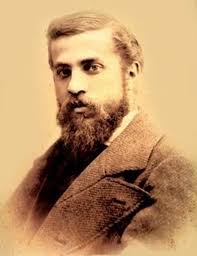
Gaudí graduated from the School of Architecture in Barcelona in 1878, and at the beginning of his career, he was influenced by Gothic and Baroque architectural styles. However, he gradually incorporated natural and organic elements into his work, drawing inspiration from mathematical concepts, geometry, and nature. His works were deeply influenced by natural forms, colors, light, and shadows, and Gaudí uniquely managed to connect architecture with art, religion, and nature.
Gaudí's Architectural Style:
Gaudí's architecture is known as Catalan Modernism, characterized by the use of organic shapes, curves, and non-linear forms. This style particularly shines in the design of buildings and churches. As a radical architect, Gaudí dared to use materials and forms that had never been seen before in traditional architecture.
This monumental basilica is one of the most famous buildings in the world. Gaudí worked on this project from 1883 until his death in 1926, and its completion has continued long after his passing. The design blends Gothic and modernist elements, with strikingly unique façades, detailed towers, and organic forms. The ongoing construction is expected to be completed in 2026, marking the centenary of Gaudí’s death.
Originally conceived as a residential project, Park Güell became a public park. It is famous for its whimsical, colorful mosaics, undulating benches, and organic shapes. The park reflects Gaudí's fascination with nature, as the design incorporates natural elements such as stones, plants, and animal motifs. The park is a UNESCO World Heritage Site and one of Barcelona’s most visited landmarks.
Casa Batlló is a prime example of Gaudí’s architectural creativity. The building’s façade is a riot of colors, with flowing curves and organic forms that resemble natural elements like bones and plant life. The interior is equally creative, with curved walls, intricate details, and imaginative use of light and color. This building is considered one of the masterpieces of Modernism in Barcelona.
Casa Milà, or La Pedrera, is famous for its undulating stone façade and innovative use of wrought iron. This building is considered a masterpiece of modern architecture, with its flowing forms and the integration of natural shapes into its design. The rooftop, with its surreal chimneys and sculptures, is particularly popular among visitors.
Located just outside Barcelona, Colonia Güell was designed by Gaudí as part of a larger industrial colony. The crypt of the church is particularly famous for its unconventional design, which foreshadows many of the elements found in the Sagrada Familia. The church features curving walls, intricate geometric shapes, and a naturalistic design that integrates seamlessly with the surrounding landscape.
Though Gaudí did not design the entirety of Santa Maria del Mar, he contributed to its design, particularly in the dome. This church is a masterpiece of Catalan Gothic architecture, and Gaudí’s modernist influence can be seen in the integration of curvilinear forms and the innovative use of space.